“Jealousy and barbecue are things a woman should let a man handle.” A quote from my mother that deserves a place in the world’s great collections of wisdom. I still remember watching her exhale a thin stream of cigarette smoke from the corner of her crimson-red lips and thinking, Yep. She definitely made a few men burn. A former model, she dazzled and tormented countless admirers with her beauty. The centrifugal force of her charm eventually flung them all into space. Not a single one ever came back.
Raised by that woman, I somehow ended up marrying a wife who is attached to absolutely nothing. Actually, “marrying” is giving myself too much credit. She agreed to marry me. Her response to my proposal was little more than, “Oh. Sure.”
In seventeen years of marriage, the only things she’s ever said she wanted were household appliances. For herself? Maybe the occasional trip to Uniqlo. On our tenth anniversary, she wouldn’t even walk into a jewelry store. Instead, she declared, “As long as I’ve got booze, I’m fine,” and headed straight for the food basement of a department store. Left to her own devices, she’d live on rice and instant noodles. In the end, I’m the one grilling the meat and vegetables.
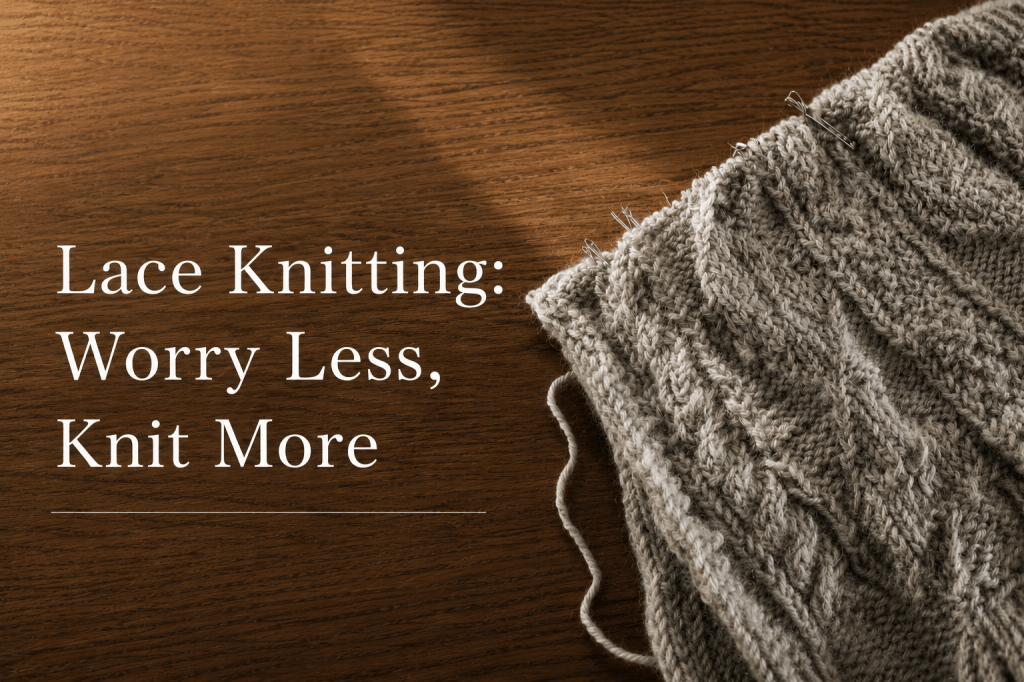
So when this woman—who never wants anything—looked at a balaclava in one of my knitting pattern books and said, “Hey, that’s nice,” I paid attention. A balaclava, if you’re wondering, is basically a neck warmer with a hood.
Not only that, it featured cable knitting. You know those twisty patterns you see on sweaters? The ones that look like braided bread? When I checked the chart, it was covered in symbols I’d never seen before. Apparently, those mysterious markings create texture and patterns. If you connected them with lines, I swear the Japanese character for “difficulty” would emerge.
The funny thing about people who never ask for anything is that when they finally do, they have absolutely no restraint. And who knows when the next request will come? To make matters worse, my daughter immediately chimed in with, “I want one too.” That level of audacity clearly skipped a generation. Fine. I would knit a cable-knit balaclava.
That’s when the suffering began. Compared to the sweaters and beanies I’d made before, this was a completely different sport.
Up to now, all I needed were knit stitches and purl stitches. It was the knitting equivalent of playing Chopsticks on the piano: learn the basics, and you’re in business.
Cable knitting, however, introduced phrases like “left-leaning one-stitch cross.” Suddenly I had to twist stitches over one another. Piano players would call it hand-crossing. Then things escalated further. Some sections required a third knitting needle. A third needle. I barely had enough hands for the first two.
That extra needle slipped out repeatedly, and every time it did, my fingertips got a little colder. Worse, mistakes were unforgiving. One wrong stitch and the pattern shifted. Try to fake it, and it shifted even more. If the stitch count went down, at least I’d understand why. But sometimes it went up. That’s the truly terrifying part. There is another stitch. Cue the horror movie scream. Even after obsessively counting every stitch, five or ten rows later you still couldn’t tell whether you’d done it correctly. The truth only revealed itself much farther down the road, when you finally stopped and looked back.
I spent more time staring at the chart than the actual knitting. Many nights I’d sit at the table studying it while my wife settled in beside me for her evening drink.
One night, while taking a sip of canned chu-hi, she said, “I might have to change jobs.” The company she’d been contracted with for years was restructuring. Staff were being cut, and her contract was unlikely to survive. “Changing jobs” sounded proactive. In reality, she was being let go.
She said it casually, but suddenly the growing pile of empty cans made sense. I looked up from the knitting chart. She was watching the evening news. Maybe it was my imagination, but her eyelashes seemed thinner.
She’s almost fifty now. She grew up in a household where people said things like, “What’s the point of sending a girl to university?” So she started working right after high school. She moved to Tokyo after we married. The child we’d waited so long for is still only nine. “We’ll have to tighten the budget a bit,” she said. Her voice sounded slightly strained.
I worried about her. There was no way she wasn’t carrying this heavily. She constantly updated her professional skills and covered for full-time employees whenever they took leave. In all the years I’ve known her, she’s never once taken an extended vacation. Knowing that, I put on my brightest voice. “Eh, it’ll work out somehow.”
“If we’re cutting expenses, cosmetics are probably first. I won’t be going out much anyway.” “Hmm.” The thought of her denying herself things bothered me. Especially cosmetics. Those felt more like necessities than luxuries.
“Come on. At least buy whatever skincare products you like. How much can that possibly cost each month?” “About fourteen or fifteen thousand yen.” The answer arrived with the speed and confidence of a University of Tokyo quiz champion.
“That’s just the basics, though.” Just the basics? Did she mean even just the basics? Judging by the speed of that response, she’d anticipated exactly what I would say. Seventeen years of marriage had provided her with excellent data. She’d secured my approval before I could even finish objecting. Mission accomplished.
To be honest, I felt relieved. Back when we were newlyweds, we had almost no money. I remembered seeing her rummaging through cosmetics at a neighborhood flea market and deciding that day I needed a better job.
And it wasn’t only about money. We survived multiple miscarriages. We survived the heart surgery she needed. We survived the period when I was forced to take leave from work. Time and again we’d both get knocked down, then somehow crawl back up. Looking back, that cycle feels like the defining pattern of our marriage. Whether a “pattern” can technically include a lot of hindsight and selective memory is a discussion for another day. “So shouldn’t you cut back on alcohol instead?” “Alcohol is non-negotiable.” Fair enough. I already knew that.
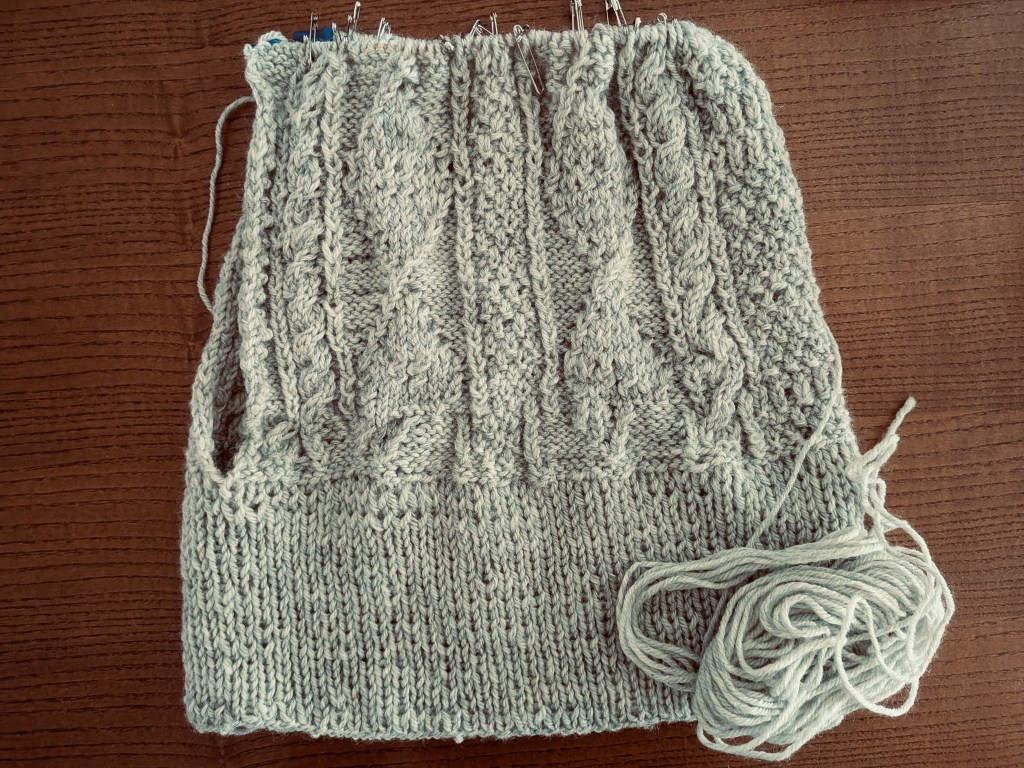
By then, the balaclava in my hands had started showing its pattern. The twists were emerging. Around row twenty, my fingers finally learned what they were doing. I stopped focusing on individual symbols and started seeing the bigger picture. I found the rhythm. Maybe that’s what musicians feel when they learn to read sheet music. Funny. Once you get far enough, the pattern really does appear.
My wife, newly reassured that her skincare budget was safe, happily opened a second can. “Looking good,” she said. Well… The truth is, those first few rows are definitely crooked. I’ve already decided this one is going to my daughter instead. I just haven’t told my wife that yet.


Leave a Reply